Why Does My Car Paint Look Dull?
Common causes, sensible fixes, and how to protect the shine.
OCTOBER 2, 2026 · CERAMIC COATING TORONTO · PAINT CARE
You wash your car, stand back, and the paint still looks flat. The colour may seem washed out, reflections look cloudy, or the finish loses its shine as soon as it dries. Another layer of wax is not always the answer.
Dull car paint usually comes from material sitting on the surface, fine defects in the finish, or deterioration of the paint itself. Finding the cause first helps you choose a sensible treatment without polishing more than necessary.
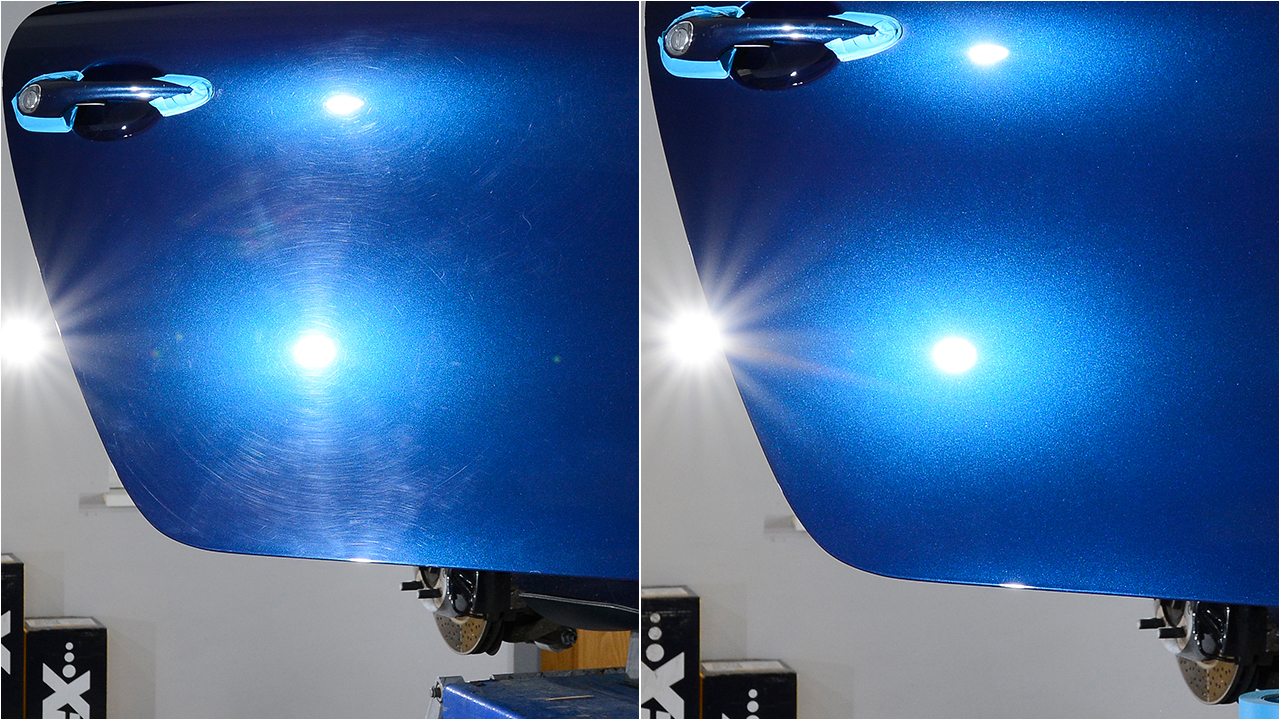
Six common reasons car paint looks dull
1. Road film and wash residue
Traffic film, dust and leftover cleaning product can hide an otherwise glossy finish. For a Toronto daily driver, start by asking whether the dullness appeared gradually between washes or immediately after a wash.
Work on cool panels in the shade. Rinse loose dirt away, wash with an automotive shampoo at its labelled dilution, rinse thoroughly and dry with a clean, soft towel. Inspect the dry surface before deciding that it needs correction.
2. Swirl marks and fine scratches
Fine scratches become especially noticeable around a bright light source. A network of these marks breaks up reflections and can make glossy paint look hazy even when it is clean. Dirty wash tools and wiping dusty paint can contribute.
Washing cannot remove defects already in the finish. Suitable polishing may improve shallow marks, provided there is enough sound paint to work with. Dark colours often make these defects easier to see. [1]
3. Bonded contamination
If clean paint still feels rough, it may have bonded deposits such as fallout, tar or overspray. A normal wash may leave these behind, and the finish can look less crisp.
Use a treatment matched to the contamination and surface. Clay can remove some bonded deposits, but it needs lubrication and can introduce marring. It is not a substitute for removing scratches. [2]
4. Mineral deposits and water-spot etching
Water that dries on paint can leave mineral deposits. Some spots sit on the surface; others leave etched marks that remain after the deposits are removed.
Start with washing, then a paint-compatible water-spot product if appropriate. Follow its directions and test a small area. Persistent etching may need professional correction rather than stronger household cleaners. Drying the car after washing helps prevent a repeat. [3]
5. Weathering and oxidation
Long-term exposure can degrade a paint film and reduce colour depth or gloss. Chalkiness and fading can be signs of weathering, but appearance alone does not tell you which layer is affected.
Light surface deterioration can sometimes improve with appropriate polishing. The paint system, previous repairs and remaining film condition determine what is practical. Avoid assuming every cloudy patch is removable oxidation. [4]
6. Clear-coat failure or damaged paint
Peeling, flaking or lifting clear coat is a different problem from ordinary swirl marks. Polishing cannot replace a layer that has lost adhesion or is missing. PPG’s guidance for clear-coat delamination calls for refinishing the affected area. [5]
If you see lifting edges, exposed colour or areas that are actively peeling, get a body-shop assessment before buying a correction or coating service.
What to check before polishing
- Wash and dry first. Judge the finish without dirt, water or fresh product masking it.
- Look in different lighting. Check reflections in daylight and under a bright inspection light.
- Compare panels. Note whether the whole car looks dull or one repaired panel looks different.
- Look for damage. Peeling or lifting paint needs a different assessment from light surface haze.
Tell the detailer about previous polishing, paint repairs and any existing coating. Ask for an inspection and a small test area before agreeing to aggressive correction.
How to restore gloss without overcorrecting
The right process depends on what inspection reveals. Surface film calls for cleaning. Bonded deposits call for suitable decontamination. Shallow scratches or haze may call for polishing. Failed paint may need refinishing.
Abrasive correction removes material, so the goal is the best practical improvement while preserving the finish. Repeated heavy passes to chase one deep mark can do more harm than leaving it. A test spot helps establish a suitable combination of pad, polish and technique. [6]
Explore our paint correction service in Toronto if clean paint still looks hazy or covered in fine swirls. The level of correction should follow the paint assessment, not a promise to remove every scratch.
Will ceramic coating fix dull paint?
A ceramic coating can enhance gloss and make routine cleaning easier, but it does not remove existing swirl marks or rebuild failing clear coat. Preparation determines how the finish looks underneath the protection. [7]
If correction is needed, address it before coating. If the paint is already in good condition, unnecessary heavy polishing offers no advantage. Our ceramic coating options can be considered once the surface is clean and properly prepared.
Keeping the finish clearer in Toronto
Build your routine around how the car is used and stored. A daily driver facing winter road spray will need different attention from a vehicle kept indoors.
- Rinse loose grit off before touching the paint.
- Use clean wash tools and separate tools for wheels.
- Dry after washing instead of allowing rinse water to evaporate.
- Remove bird droppings and other deposits promptly using a suitable method.
- Follow the maintenance instructions for any coating, wax or sealant already on the vehicle.
This guide concerns conventional glossy automotive paint. Matte paint, satin finishes, wraps and PPF require their own care instructions; do not polish them to create gloss.
Frequently asked questions
Why does my paint look shiny when wet but dull when dry?
Water can temporarily change how light reflects from an uneven surface and make some defects less visible. That does not establish the cause or prove that the finish is safely correctable. Assess the paint when it is clean and dry.
Can wax bring the shine back?
Wax or a glaze may improve appearance or temporarily mask very fine marks, depending on the product. It will not repair peeling clear coat. If dullness returns quickly, investigate the underlying cause instead of repeatedly covering it.
Does dull paint mean I need a repaint?
Not necessarily. Cleaning, decontamination or conservative polishing may be enough when the paint is sound. Peeling, missing layers or serious deterioration make a refinishing assessment more appropriate.
Not sure which problem you are seeing?
Tell us what you drive, where the dull areas appear and whether the car has been polished or repainted. Ceramic Coating Toronto can help you discuss the next step for your finish.
Professional Ceramic Coating & Paint Protection in Toronto
All rights reserved